


Police Chief
4.71.06K Reviews
App Specs
- Version
- 0.1.68
- Updated On
- License
- Free
- Downloads
- 1,000,000+
- Developer
- VoyagerOne IE
- Categories
- Strategy
- Platform
- Android
Screenshots
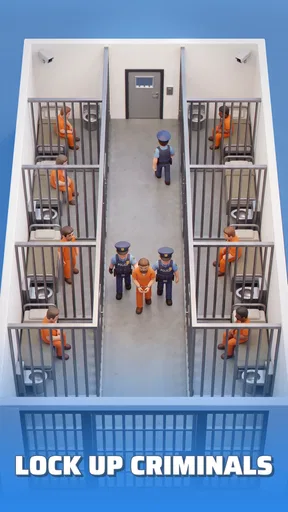
 Analysis by AppCompare
The clearest way to approach Police Chief is as a strategy game about juggling responsibilities rather than simply sending officers into incidents. Its appeal rests on choosing how to use a department’s people and equipment while a city’s demands keep shifting. I found that premise inviting, but it also makes the game’s readability and pace important: the more decisions compete for attention, the more helpful a clear interface becomes.
Readable screens matter when decisions pile up
The first stretch is designed to ease players into the job, with a short tutorial before the opening mission. That gives newcomers a starting point instead of asking them to infer everything from a busy management screen. In practice, I’d treat the tutorial as a foundation, not as a reason to rush. Taking a moment to understand what each resource does can make later choices feel deliberate rather than like guesswork.
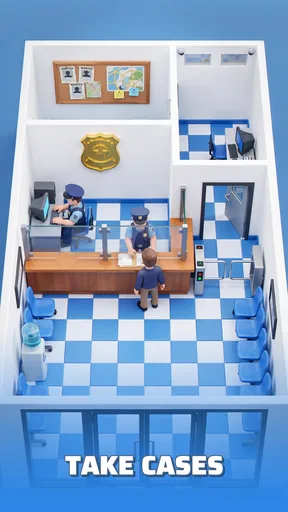
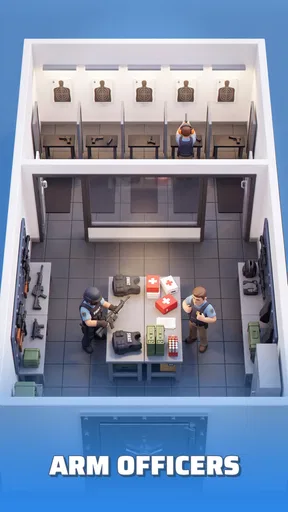
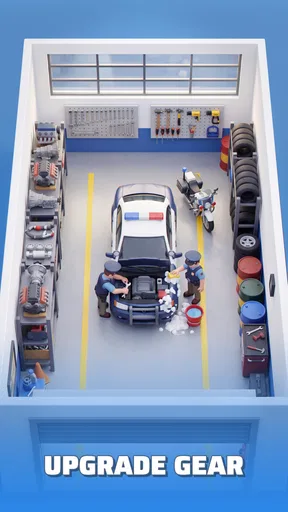
The game presents a station, a city and operational resources, including officers, vehicles and drones. That combination gives the management side a concrete shape: you are not only reacting to events but deciding what capacity to keep available. The useful habit is to pause mentally before committing a resource and ask whether the current incident is urgent or whether another demand might need it soon. This makes the strategy easier to follow even when several concerns are competing for attention.
For players who prefer large text, high contrast or simplified screens, the most sensible first step is to inspect the interface on the device they intend to use and see whether its labels remain comfortable to read. I would not assume that a polished-looking city automatically means every management detail will suit every eyesight or display preference. If you can comfortably distinguish the station information and incident choices, the core loop is much easier to enjoy; if not, a slower game with fewer simultaneous details may be a better fit.
Planning around the day-night rhythm
The changing time of day gives the strategy a useful wrinkle. Incidents are not presented as a completely uniform stream: the kinds of problems can vary with the hour, so a plan that works in one part of the cycle may not be ideal later. Rather than spending every available resource as soon as something appears, I’d keep some capacity in reserve where possible and reassess when the city’s rhythm changes.
That creates a practical distinction between reactive and preventive play. If you only respond to the most visible problem, you may leave yourself poorly prepared for what follows. A steadier approach is to handle pressing incidents while keeping an eye on how much of the department’s capacity remains. The trade-off is that restraint can feel less satisfying than immediately deploying everything, but it gives your decisions a longer horizon.
People and equipment give the management a human scale
Officers are not just interchangeable pieces in the premise: the game brings in character backgrounds and skill sets as you progress. That can make resource choices feel more personal, because a decision concerns a team as well as a tally of available units. I especially like that this framing encourages players to think about the people behind the response, rather than treating every incident as a quick score opportunity.
Worth Reading Before You Choose

Flipboard Shows What News Apps Must Do Beyond the Feed

Switching to Android Auto Means Rethinking Your Driving Routine

Google Calendar Makes a Crowded Week Easier to Manage

Ludo King Makes the Most of the Minutes Between Plans

Baby Panda World Brings Quick Play to Modern Phones, but Its Game Library Feels Busy

ESPN’s Live Game View Makes Following Close Games Easier
Vehicles and drones add another layer to the station-management idea, while the evolving narrative gives missions a thread to follow. If you enjoy games that pair planning with a cast and a continuing story, that mix should be more appealing than a bare spreadsheet-style manager. If you mainly want a highly open-ended tactics sandbox, however, the guided incidents and story focus may feel more structured than you want.
How it feels to play in short everyday sessions
This is the sort of game I’d try during a quiet break when I can give a decision a little attention, rather than while walking, commuting through a crowded place or switching constantly between tasks. Even a short session can be satisfying if I focus on one incident and review what resources remain afterward. The point is not that every play session must be long; it is that the choices are more enjoyable when I can actually look at them instead of tapping through by habit.
That makes it a reasonable option for someone who likes management games but does not want every session to be about direct combat or fast reflexes. Compared with action-led police games, its interest lies in allocation and consequences, not aiming or chasing. Compared with a minimalist strategy puzzler, it has more atmosphere and narrative context, but that also means more information to take in. If you want a very quiet, low-demand game for distracted moments, a simpler puzzle is likely the more comfortable choice.
Accessibility is also about the setting you play in
Because this is a visual management game, the surroundings matter. A calm room, a stable grip and enough time to read a choice can make a noticeable difference to how approachable it feels. I would avoid making consequential selections one-handed while rushing; the strategic satisfaction comes from understanding the options, and hurried taps can turn a thoughtful decision into a frustrating mistake.
For players who experience fatigue, attention differences or limited dexterity, the key question is whether the pace of a session feels manageable on their own device. The tutorial offers a gentler entry, and the management focus is less dependent on rapid physical reactions than an action game. Still, strategy can demand sustained visual attention and repeated choices. If that becomes tiring, shorter visits with a clear stopping point are a sensible way to test whether the game suits you.
Where the experience may not fit
The main limitation is inherent in the premise: managing a department asks you to keep track of several kinds of information, and that can be mentally busy. Players who dislike juggling resources, following a developing story or weighing one response against another may find the role more like work than relaxation. The city’s changing demands add variety, but they also mean that a comfortable routine is not always enough.
There is also a difference between an accessible introduction and an accessible experience for every player. A tutorial can explain the basics, but it cannot by itself solve small-screen readability, visual strain or discomfort with frequent decision-making. I’d recommend giving the opening a fair try and judging it by how the interface feels during actual play. If you regularly have to squint or feel pressured to act before you have understood a choice, that is a real reason to choose another strategy game.
First Impressions and Setup
As soon as I launched Police Chief, I was drawn in by its crisp visuals and intuitive interface. The game kicks off with a brief tutorial that’s both informative and engaging, ensuring you’re not left floundering as you start your first mission. The developers did a splendid job of balancing complexity with accessibility, which is always a plus in my book.
Setting up your station is a breeze. You’re given a rundown of the resources at your disposal, which includes officers, vehicles, and even drones. The level of detail in managing these resources is impressive, really making you feel like you’re in charge of a living, breathing department.
Gameplay Mechanics
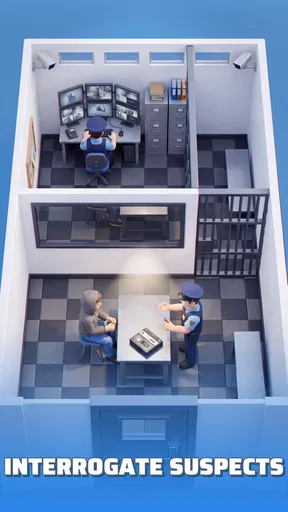
The gameplay of Police Chief is as dynamic as it is challenging. You’re tasked with responding to various incidents, from run-of-the-mill traffic violations to more serious crimes. Each scenario requires strategic thinking, as you need to allocate your officers efficiently to ensure the best outcomes. I found myself getting hooked on the thrill of making split-second decisions!
What’s really neat is the game’s day-night cycle. Crimes vary depending on the time of day, adding an extra layer of realism. For instance, petty thefts might increase during the day, while more sinister crimes tend to happen under the cover of darkness. This keeps you on your toes and ensures that no two days are the same.
Character Development and Storylines
Another aspect I loved about Police Chief is the focus on character development. As you progress, you get to know your officers better, each with their own backstories and skill sets. This adds a personal touch to the game, making you more invested in their well-being and success.
The game doesn’t just stop at individual missions; it weaves a narrative that unfolds as you play. You’ll encounter recurring characters and overarching storylines that keep the experience cohesive and rewarding. It’s like binge-watching a crime drama, but you’re in the director’s seat!
Graphics and Sound
Visually, Police Chief is a treat. The developers have crafted a vibrant cityscape that feels alive and bustling. The attention to detail is commendable, from the layout of your police station to the various city districts. The sound design complements the visuals beautifully, with realistic sound effects and a fitting soundtrack that ramps up the tension when things get dicey.
Challenges and Rewards
Of course, being a police chief isn’t all fun and games. The challenges in Police Chief are real, and the stakes are high. Mismanage your resources, and you’ll see crime rates soar. But when you succeed, the rewards are sweet. Successfully resolving incidents boosts your department’s reputation, unlocking new resources and upgrades.
- Manage a dynamic city with evolving challenges
- Engage in strategic decision-making
- Develop and upgrade your team
Deciding whether to invest time or money
The game is free to play, which makes it easy to try the opening and see whether the mix of station management, incidents and character storylines is for you. It has in-app purchases ranging from $0.99 to $99.99 per item, so I’d recommend treating optional spending as a separate decision from whether the game itself is enjoyable. If you prefer to avoid purchases, check the purchase prompts carefully and decide on your own limit before playing; a free entry point does not mean every later choice will feel equally convenient.
For a strategy game, its audience response is encouraging: it has a 4.7 average from around 18 thousand ratings, and more than 500 thousand installs. Those figures suggest that plenty of players have tried it, but they do not tell me whether its particular pace or interface will suit you. The game is from VoyagerOne IE, is rated Teen, and runs on Android 5.1 or later. It is currently version 0.0.763, so checking that your device meets the operating-system requirement is a practical first step before downloading.
Who is likely to enjoy this particular kind of strategy
I’d point this toward players who enjoy making decisions that connect staffing, equipment and a continuing story. It should also suit someone curious about management games who wants a more character-led setting than a city-building title usually offers. The strongest reason to stay is the way the changing incident mix gives each resource decision a context: you are not just expanding a base, but trying to keep a department ready for the next problem.
A useful everyday routine would be to open the game when you have a calm ten-minute break, review what the current situation asks of you, respond to the most urgent incident, then check what capacity remains before leaving. That simple habit avoids the common trap of making every choice at speed and forgetting the broader balance. If you enjoy returning to a game and gradually getting better at reading its demands, that kind of session can feel rewarding without needing to turn it into a long evening commitment.
By contrast, I would skip it if you want a game that can be played almost entirely by sound, one that requires little visual scanning, or one where every action is immediate and uncomplicated. Players looking for a purely tactical battle game may also prefer a title built around direct unit control. Police Chief’s distinctive appeal is the wider managerial view; that same scope is a drawback if what you want is instant action or very low cognitive load.
Final Thoughts
Overall, Police Chief is a fantastic simulation game that offers a perfect blend of strategy, storytelling, and management. It challenges you to think critically and rewards you with a rich, immersive experience. Whether you’re a fan of simulation games or just looking for something new and exciting to try, this app is definitely worth a download. So, are you ready to don the badge and keep your city safe? Dive in and see if you’ve got what it takes!
My recommendation comes with a practical caveat: try it in a setting where you can read the screens comfortably and give each decision your attention. The game’s management focus can be a welcome alternative to reflex-heavy police action, but it is not automatically effortless or suitable for every access need. If the interface and pace work for you, the combination of resource choices, a changing city and officer storylines gives you a clear reason to keep playing; if they do not, choosing a simpler or more tactile strategy experience is a sensible call.
That balance is why I’d describe it as a promising fit rather than a universal recommendation. Its Teen rating, free-to-start access and substantial player interest make it easy to consider, while the purchase range and visually busy management premise are worth keeping in mind. I’d give it a try if you like thoughtful decisions with a police-department setting, and move on if you need a game that asks very little of your eyes, hands or attention.
Pros
- Engaging storyline with multiple endings.
- Realistic graphics and sound design.
- Intuitive controls for easy navigation.
- Regular updates with new content.
- Challenging puzzles that test your skills.
Cons
- Requires constant internet connection.
- In-app purchases can be pricey.
- Ads might interrupt gameplay.
- Limited language support.
- Battery consumption is high.
FAQs for Police Chief
What is the main objective of the Police Chief app?
The Police Chief app is a strategy-based game where players assume the role of a police chief tasked with managing a city’s police department. The main objective is to solve crimes, maintain public order, and effectively deploy resources to ensure the safety and security of the citizens. Players must make strategic decisions to combat crime waves and improve city safety.
Can I play Police Chief offline?
Yes, Police Chief offers an offline mode. This allows players to enjoy the game without needing an internet connection. However, certain features, such as leaderboards or in-game purchases, may only be accessible when you are connected to the internet. This makes it convenient for users who want to play on the go.
Are there in-app purchases in Police Chief?
Police Chief includes in-app purchases that allow players to enhance their gaming experience. Players can buy additional resources, such as new equipment or faster upgrades, which can help in advancing through the game more quickly. While these purchases can enhance gameplay, they are not necessary to enjoy the full experience.
How does the Police Chief app handle user data and privacy?
The Police Chief app is committed to user privacy and follows strict data protection protocols. It collects minimal user data necessary for gameplay and app performance. The app's privacy policy provides details on what data is collected, how it is used, and the measures taken to protect personal information. Users can review this policy within the app settings.
What age group is Police Chief suitable for?
Police Chief is suitable for players aged 12 and above. The game features strategic planning and problem-solving elements, which are best enjoyed by teens and adults. While it involves themes of crime and law enforcement, the content is presented in a way that is appropriate for a younger audience, focusing on strategy rather than graphic details.


